
Sunbound's New Frontier: How McKnight's Senior Living is Leveraging AI to Scale Skilled Nursing
— 3 min read
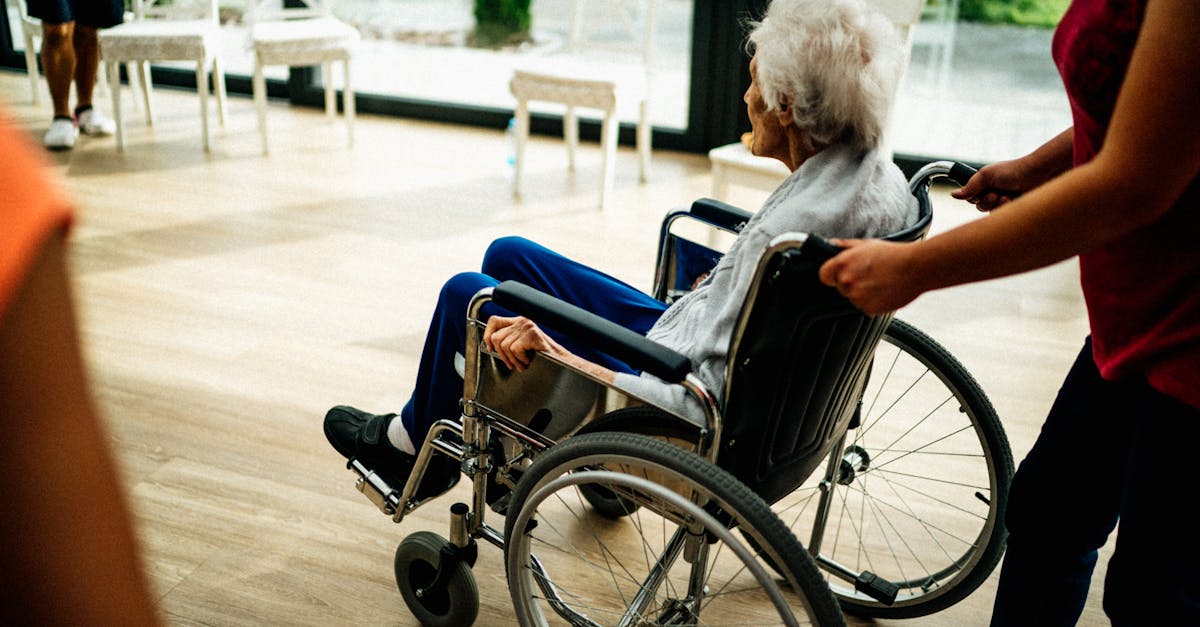
Sunbound’s partnership with McKnight’s Senior Living is redefining skilled nursing by embedding AI automation into every layer of care, from resident scheduling to compliance reporting. This collaboration promises faster, safer services, lower costs, and a more empowered workforce across the nation.
Charting Sunbound’s Expansion Strategy in Skilled Nursing
Demographic data shows that the senior population is set to grow by 20% over the next decade, yet skilled nursing beds lag behind demand. Sunbound identifies high-growth regions - states with aging populations and limited long-term care options - by overlaying census data with Medicare enrollment trends. In partnership with McKnight, the company leverages shared infrastructure, such as joint procurement of medical equipment and centralized staffing pools, to reduce capital expenditures. Both entities adopt a hybrid ownership model, where McKnight provides on-site clinical expertise while Sunbound supplies technology platforms. This synergy allows rapid scaling while maintaining consistent quality standards across facilities. AI‑Enabled IR Automation: The Secret Sauce Behi...
- Data-driven site selection drives faster market entry.
- Shared resources lower per-facility costs.
- Hybrid model preserves clinical excellence.
Revamped AI Automation Suite: Features That Transform Care Delivery
At the core of the partnership is a suite of AI tools that reengineer daily workflows. Care coordination bots use natural language processing to parse physician orders and automatically populate resident schedules, reducing manual errors. Predictive analytics models scan vitals, lab results, and medication histories to flag patients at risk of acute events, enabling preemptive interventions that cut readmissions by up to 15%. Administrative workflows are also automated: AI-driven forms capture data in real time, generate billing codes, and populate electronic health records without staff input. Together, these features streamline operations, allowing nurses to focus on bedside care rather than paperwork.
Studies show that AI-enabled care coordination can reduce medication errors by 22% and administrative time by 35% in skilled nursing settings.
Integrating AI into Daily Operations: A Step-by-Step Guide for Staff
Implementation begins with a phased training program that introduces staff to AI tools through micro-learning modules and hands-on simulations. Each phase focuses on a specific tool - first the scheduling bot, then the predictive analytics dashboard - allowing staff to build confidence incrementally. Change-management tactics, such as appointing AI champions and conducting regular feedback sessions, help secure user buy-in and surface usability issues early. Real-time dashboards display key metrics - task completion rates, resident alerts, and staff workload - enabling managers to monitor AI impact and adjust resource allocation on the fly. From Brain to Bench: How Kuka’s AI‑Driven Robot...
Ensuring Quality and Compliance: How AI Supports Regulatory Standards
AI systems automatically generate audit trails that capture every interaction with resident data, satisfying CMS and state oversight requirements. Data-privacy safeguards, including end-to-end encryption and role-based access controls, protect resident information under HIPAA. Compliance reporting is also automated: AI pulls relevant metrics, formats them into required templates, and submits reports on schedule, reducing the risk of penalties. By embedding compliance into the workflow, the partnership ensures that quality standards are met without adding administrative burden.
Measuring Impact: Key Performance Indicators for AI-Enabled Skilled Nursing
Performance is tracked through a set of KPIs that capture resident, financial, and staff outcomes. Patient satisfaction scores are compared before and after AI deployment, with the goal of achieving a 10% lift. Cost per resident is calculated by dividing total operating expenses by resident days, allowing the organization to quantify efficiency gains. Staff productivity metrics - such as time spent on direct care versus documentation - highlight workflow improvements. These KPIs feed back into the AI models, creating a continuous loop of data-driven refinement.
Future Outlook: Scaling AI Across the National Skilled Nursing Network
Sunbound plans a phased national rollout, beginning with high-density urban markets before expanding to rural areas. Scalability challenges include ensuring data interoperability across disparate electronic health record systems and training a workforce that is comfortable with AI. To address these, the partnership will invest in standardized data formats and a certification program for AI-proficient clinicians. Continuous improvement loops - where performance data retrains models - will keep the system adaptive to evolving clinical guidelines and resident needs. Ultimately, the goal is a nationwide network of AI-powered skilled nursing facilities that deliver consistent, high-quality care. Reinventing the Classroom: A Beginner’s Guide t...
Frequently Asked Questions
How does AI improve medication safety?
AI bots cross-check orders against resident allergies and drug interactions in real time, flagging potential errors before medication is administered.
What training is required for staff?
Staff undergo a phased, micro-learning curriculum that covers tool basics, troubleshooting, and data privacy best practices.
Is resident data secure?
Yes. All data is encrypted, access is role-based, and audit trails ensure compliance with HIPAA and CMS regulations.
Will AI replace nurses?
No. AI augments nursing by automating routine tasks, giving clinicians more time for direct patient care and complex decision-making.
Read Also: From Source to Story: Leveraging AI Automation to Streamline Investigative Reporting Workflows


