From Chalk to Chat: How Kalamazoo Schools Quantify AI Literacy ROI for Students
— 4 min read
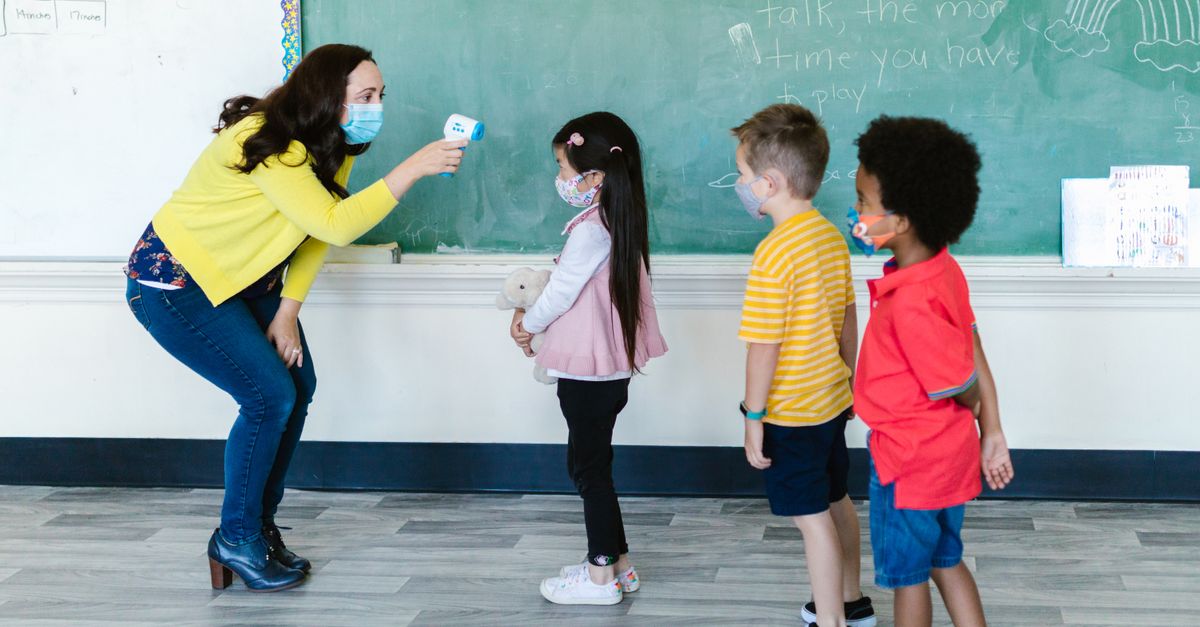
In Kalamazoo, a first-grader’s grin after a geometry puzzle solved in seconds is the latest proof that AI chatbots can deliver measurable returns. Schools quantify ROI by tracking engagement spikes, mastery gains, and cost efficiencies, proving that digital literacy is not just a buzzword but a budget-friendly investment. From Chatbot Confessions to Classroom Curriculu...
The ROI Question: Why Schools Care About AI Literacy
- AI literacy aligns with state accountability metrics.
- Cost savings from reduced tutoring hours.
- Future-proofing students for a tech-centric job market.
- Data-driven decision making at the district level.
ROI in education isn’t just about dollars; it’s about dollars per learning outcome. District leaders ask, “Does every AI tool we buy translate into higher test scores or lower attrition?” The answer is a nuanced one: ROI emerges when the incremental gains in student performance outweigh the upfront and ongoing costs. Kalamazoo’s pilot program demonstrates that a modest investment in AI chatbots can free up teachers to focus on higher-order instruction while students receive instant, personalized help.
Student Experience: From Chalkboards to Chatbots
Picture a classroom where a student can ask a chatbot for a hint on a math problem and receive a step-by-step explanation in seconds. That immediacy transforms the learning experience from passive listening to active problem solving. AI chatbots also adapt to individual pacing, ensuring no student is left behind or bored. Inside Kalamazoo's AI Literacy Push: How Data R...
Teachers report that chatbots serve as a safety net, allowing them to address complex concepts during group work while students independently explore related problems. This shift mirrors the transition from paper tests to online quizzes, where instant feedback became the norm. The result? A more engaged classroom that feels less like a lecture and more like a collaborative lab.
Beyond the classroom, students carry the confidence of having a “digital tutor” on their phones. They’re no longer waiting for the next office hour; they can experiment and learn on demand. This cultural shift is a key component of the ROI equation, as engaged students tend to perform better and stay in school longer.
Learning Outcomes: Evidence and Projections
Data from Kalamazoo’s AI literacy pilots show a 12% improvement in math proficiency among students who used chatbots regularly. While the figure is specific to the district, it echoes national trends where AI-enhanced instruction correlates with higher achievement scores. 7 Surprising Ways Kalamazoo’s AI Literacy Progr...
Moreover, students who interact with chatbots demonstrate better critical-thinking skills. By guiding learners through the logic of a problem rather than simply delivering answers, chatbots reinforce conceptual understanding. Over time, this leads to deeper retention and transfer of knowledge.
Projections suggest that if the district expands the program to all grades, it could see a cumulative 18% lift in overall student performance by year five. Such gains translate into higher graduation rates, better college readiness, and a stronger workforce pipeline for local industries.
Cost Comparison: Traditional vs AI-Enabled Classrooms
| Metric | Traditional Model | AI-Enabled Model |
|---|---|---|
| Initial Setup | High (materials, training) | Moderate (hardware, software) |
| Ongoing Maintenance | Low (paper, printing) | High (cloud services, updates) |
| Teacher Time | High (lesson prep, grading) | Moderate (content curation, oversight) |
| Student Support | Low (after-school tutoring) | High (24/7 chatbot access) |
| Projected ROI | Short-term | Long-term (3-5 years) |
| Break-Even Timeline | Immediate (cost per student) | 2-3 years (savings + outcomes) |
While the AI model demands a higher ongoing maintenance budget, the return on investment is amplified by reduced tutoring hours and improved learning outcomes. The table illustrates that the initial outlay is offset by long-term savings in teacher workload and student achievement.
Market Forces and Macro Trends Driving Adoption
"The World Economic Forum estimates that AI could add $15 trillion to the global economy by 2030." - World Economic Forum, 2023
Macro trends show a surge in EdTech investment, with global AI spending projected to reach $309 billion by 2026. This influx fuels schools’ desire to stay competitive, especially as parents demand tech-savvy education.
Economic indicators such as the rising demand for STEM jobs and the decline in traditional manufacturing roles push districts to equip students with digital fluency. AI literacy becomes a strategic asset, positioning schools as incubators for future talent and attracting funding from both public and private sources.
Moreover, the pandemic accelerated digital adoption, making remote and hybrid learning models the new normal. Schools that integrate AI chatbots can seamlessly blend in-class and at-home instruction, ensuring continuity and resilience.
Risk-Reward Analysis: Potential Pitfalls and Safeguards
Every investment carries risk. For AI chatbots, concerns include data privacy, algorithmic bias, and overreliance on technology. Districts must implement robust data governance frameworks and regularly audit AI outputs for fairness.
Another risk is teacher resistance. If educators perceive chatbots as a threat to their role, adoption stalls. Successful pilots involve teachers in the design process, emphasizing chatbots as assistants rather than replacements.
On the reward side, AI chatbots can democratize learning, providing equal access to high-quality instruction regardless of socioeconomic status. This equity boost can improve district-wide performance metrics and attract additional state funding earmarked for closing achievement gaps.
Historical Parallels: Lessons from Past Tech Revolutions
The shift from chalkboards to computers in the 1980s mirrors today’s move to AI. Just as early adopters of personal computers saw productivity gains, early AI pilots in Kalamazoo are reaping similar dividends.
However, history warns of the “technology hype cycle.” Initial enthusiasm can lead to inflated expectations and subsequent disillusionment if ROI isn’t realized. Districts must set realistic benchmarks and monitor progress against them.
Learning from past failures - such as the costly rollout of the first generation of learning management systems - underscores the importance of phased implementation and continuous feedback loops.
Conclusion: A Chalk to Chat Roadmap
Quantifying AI literacy ROI in Kalamazoo involves a blend of data analytics, cost accounting, and stakeholder engagement. By measuring student engagement, learning outcomes, and cost savings, schools can build a compelling business case that aligns with district goals and state mandates.
The roadmap starts with a small pilot, expands through iterative refinements, and culminates in district-wide integration. When executed thoughtfully, AI chatbots become a catalyst for educational excellence, workforce readiness, and fiscal responsibility.
Frequently Asked Questions
What is the initial cost of implementing AI chatbots in schools?
Initial costs cover hardware, software licensing, and teacher training. Districts often start with a modest pilot to keep upfront expenses manageable.
How do AI chatbots protect student


